


Budgeting is an essential aspect of financial planning and money management. It allows individuals to take control of their finances, prioritize their spending, and work towards their financial goals. By implementing smart budgeting strategies, you can enhance your financial health and achieve monetary stability.
One of the first steps in effective budgeting is tracking your expenses. By keeping a record of where your money goes, you can identify areas where you may be overspending and make necessary adjustments. This awareness is key to making informed financial decisions.
Setting financial goals is another crucial component of smart budgeting. Whether you want to save for a down payment on a house, pay off debt, or plan for retirement, having clear goals helps you stay focused and motivated. Your budget becomes a roadmap that guides you towards achieving these objectives.
Utilizing budgeting tools and apps can significantly simplify the process. These tools can help you create a budget, track your expenses, and analyze your spending patterns. With the help of technology, you can have a clear overview of your finances and make adjustments as needed.
Remember, budgeting is not about restricting yourself or depriving yourself of enjoyment. It is about making conscious choices that align with your financial priorities and values. By practicing smart budgeting, you can have greater financial freedom and peace of mind.
Key Takeaways:
- Track your expenses to identify spending patterns and make necessary adjustments.
- Set clear financial goals to stay motivated and focused.
- Utilize budgeting tools and apps to simplify the process and gain a clearer overview of your finances.
- Make conscious choices that align with your financial priorities and values.
- Remember that budgeting is about achieving financial freedom and peace of mind, not restriction.
The Importance of Research in Budgeting
When it comes to budgeting, conducting thorough market research plays a vital role in ensuring financial success. Neglecting to engage in market research and strategic planning can have negative consequences on your budget. It is crucial to track your expenses and create an effective budget tracking system to make informed financial decisions.
To stay ahead of the curve, it is essential to understand the importance of expense tracking and market research. By keeping a close eye on your expenses, you can identify areas where you may be overspending or opportunities to cut costs. This tracking mechanism provides invaluable data for making informed decisions about your budget.
Expense Tracking: The Key to a Healthy Budget
Implementing an expense tracking system allows you to gain a comprehensive overview of your spending habits. By categorizing your expenses, you can identify areas where you may need to make adjustments. Whether it’s reducing discretionary spending or finding ways to save on essential costs, tracking your expenses helps you make informed financial decisions.
“Expense tracking enables you to understand your spending patterns, identify areas of overspending, and make necessary adjustments to align your budget with your financial goals.”
Furthermore, market research is crucial for predicting future spending and planning for unexpected changes. By staying informed about market trends and economic conditions, you can anticipate potential challenges and adjust your budget accordingly. Financial management is a vital component of budgeting. It entails analyzing market conditions, understanding potential risks, and adopting strategies to mitigate financial setbacks.
Financial Management: Navigating Uncertain Waters
Effective financial management serves as the compass that guides your budgeting journey. It involves keeping an eye on market conditions, managing investment portfolios, and understanding the financial implications of different decisions. By adopting a proactive approach to financial management, you can stay prepared for changes in the market and make timely adjustments to your budget.
A robust financial management strategy allows you to identify potential risks and take steps to mitigate them. By diversifying your investments and creating contingency plans, you can protect your budget from unexpected events and ensure financial stability.

Image related to the importance of budget tracking in financial management.
Finance Management Mastery in Budgeting
Effective finance management is essential to master the art of budgeting. By implementing strategies such as creating a budget planner and utilizing a budget tracker, individuals can take control of their finances and achieve their financial goals. These tools help you keep track of your income and expenses, providing a clear overview of your financial situation.
Utilizing budgeting tools like budget spreadsheets can provide a visual representation of your budget, making it easier to identify areas where you can save money. These tools allow you to allocate funds for different expenses and track your progress towards your financial goals.
By mastering finance management, you can ensure that your budget aligns with your financial goals and aspirations. Whether you’re saving for a down payment on a house, planning for retirement, or aiming to pay off debt, effective finance management is key to your success.
Remember, budgeting is not just about restricting your spending, but rather allocating your resources wisely to achieve your financial goals. It’s about making conscious decisions about your money and prioritizing what matters most to you.
Benefits of Effective Finance Management:
- Financial discipline: Create a roadmap for your financial journey and stick to it.
- Increased savings: Identify areas where you can save money and allocate those savings towards your financial goals.
- Debt reduction: Develop a plan to pay off debt strategically.
- Improved financial well-being: Gain peace of mind knowing that you are in control of your finances.
By practicing effective finance management, you can achieve financial freedom and build a secure financial future. Remember, budgeting is a continuous process that requires regular monitoring and adjustments. Stay proactive and make the necessary changes to ensure your budget stays aligned with your financial goals.
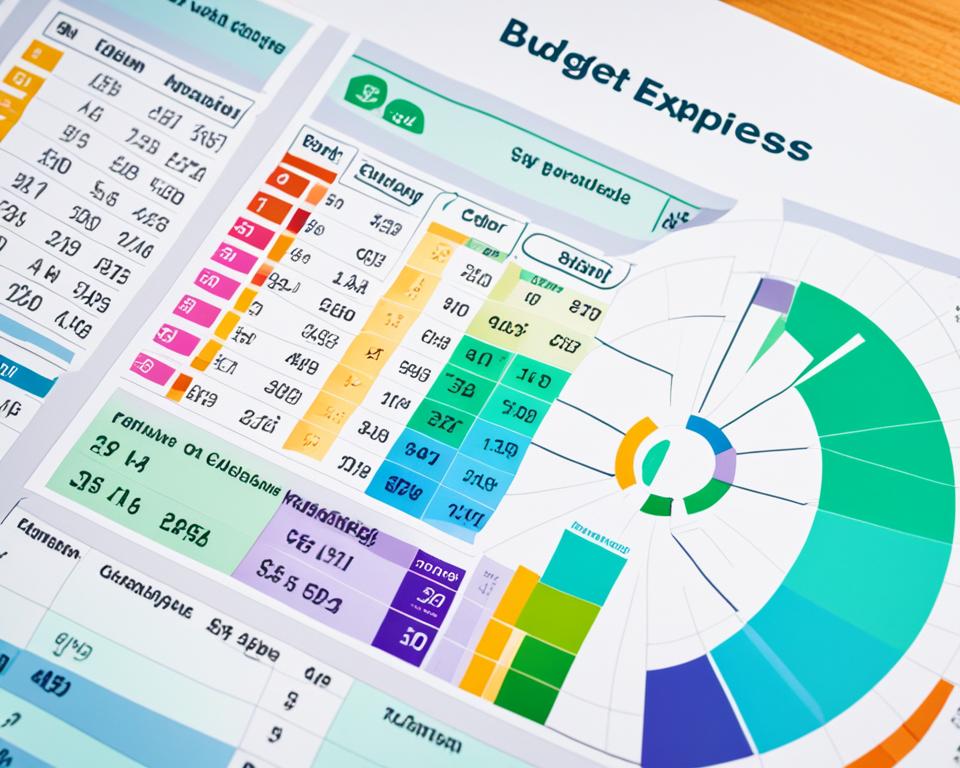
| Key Features | Benefits |
|---|---|
| Customizable budget categories | Allows you to tailor your budget to your specific needs and priorities. |
| Automatic expense tracking | Saves time and effort by automatically recording your expenses. |
| Goal tracking | Monitor your progress towards your financial goals and stay motivated. |
| Visual representation of your budget | Provides a clear overview of your financial situation. |
| Expense categorization | Helps you identify spending patterns and areas where you can cut back. |
By utilizing a budget planner and budget tracker, you can take charge of your finances and make informed decisions to achieve your financial goals. Start today and take the first step towards financial success!
The Comedy of Calculating Costs in Budgeting
One of the most amusing aspects of budgeting is the challenge of accurately calculating costs. Hidden costs and unexpected expenses can throw a wrench in even the most meticulously planned budget. That’s why utilizing a budget calculator is essential for effective budget management.
A budget calculator provides a systematic approach to calculating and allocating funds for various expenses. By inputting your income, fixed expenses, and estimated variable costs, you can get a comprehensive overview of your budget and identify potential financial pitfalls. This tool not only helps you stay on top of your finances but also enables you to make informed decisions when it comes to your spending.
In addition to hidden costs, understanding operating costs and their financial implications is crucial to avoid any surprises in your budget. Operating costs encompass expenses such as rent, utilities, maintenance, and supplies that are necessary to keep your personal or business operations running. By proactively identifying and planning for these costs, you can minimize the risk of unexpected financial burdens and maintain financial stability.
Having a good sense of humor about these comedic misadventures in calculating costs is key to navigating the challenging landscape of budgeting. By utilizing a budget calculator, being mindful of hidden costs, and accounting for operating costs, you can make more informed financial decisions and ensure your budget aligns with your financial goals.
FAQ
What are some smart budgeting tips for financial health?
Smart budgeting tips for financial health include tracking expenses, setting financial goals, utilizing budgeting tools and apps, and conducting thorough market research to make informed financial decisions.
What is the importance of research in budgeting?
Research is crucial in budgeting as it helps track expenses, create a budget tracking system, and anticipate market conditions. Additionally, financial management plays a key role in budgeting to maintain a healthy budget.
How can finance management be mastered in budgeting?
Finance management can be mastered in budgeting by creating a budget planner and tracker, utilizing budgeting tools such as spreadsheets, and aligning the budget with financial goals to save money effectively.
What are the challenges in calculating costs in budgeting?
Challenges in calculating costs in budgeting include hidden costs, unexpected expenses, and understanding operating costs and their financial implications. Using a budget calculator can help accurately allocate funds for various expenses and avoid surprises in the budget.